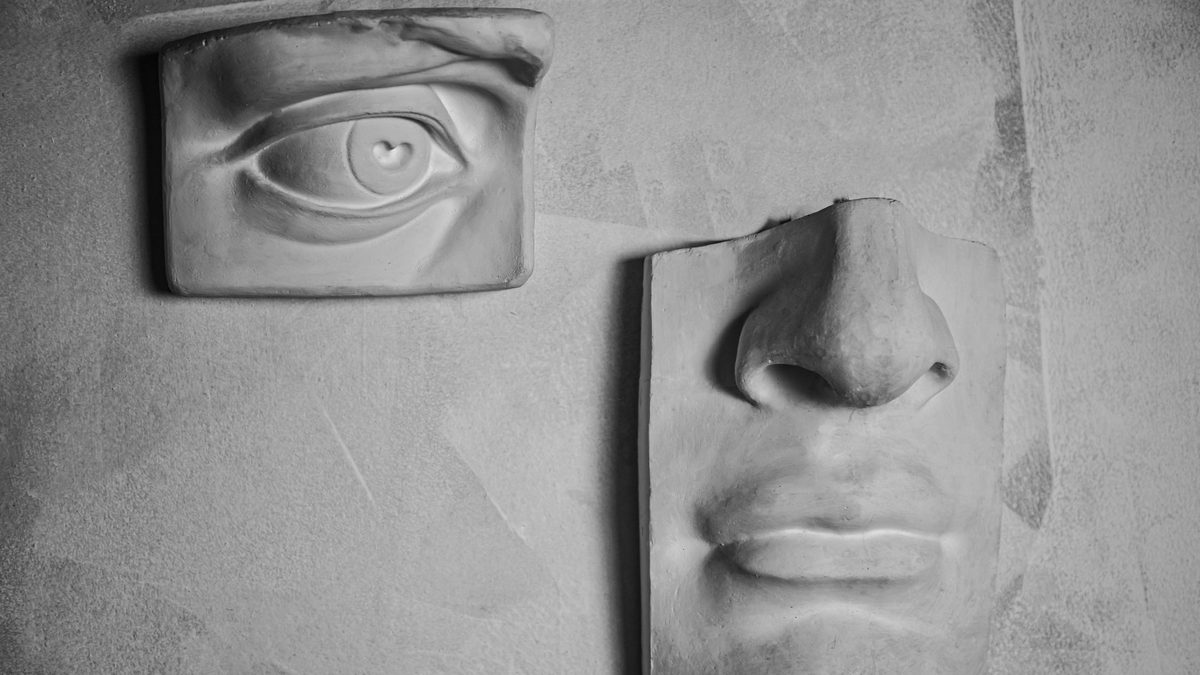
We examine the inside and outside of the nose precisely,
analyze it in fine detail,
and consider aesthetic satisfaction and function
at the same time.
ETONNE's rhinoplasty
is completed through science, medicine
and aesthetics.
ETONNE REBUILT NOSE SURGERY
Rhinoplasty by Nose Shape and Type
Also called Rhinoplasty, Nose Job
Rhinoplasty by nose shape and type is a rhinoplasty that corrects the line, height, and angles of the nasal bridge and nasal tip together according to the type of nose, such as a bulbous tip, deviated nose, nasal hump, short nose, long nose, or broad nose. The structure of the nose, skin thickness, and amount of cartilage are measured, autologous cartilage such as septal, ear, or rib cartilage is used, and a silicone implant is used together when needed. At ETONNE in Gangnam, Seoul (Gangnam-daero, Nonhyeon Station), the surgery is performed by board-certified plastic surgeons Dr. Kim Harkyoung, Dr. Kim Jaegon, and Dr. Koo Heetae.
Optimized Approach Based on Custom Analysis for Each Nose Type
The nose at the center of the face changes the impression you give depending on its line and height. ETONNE's rhinoplasty by nose type therefore analyzes the problems of the whole face in detail through a 1:1 consultation
and draws up a suitable plan with the overall balance in mind.
A plastic surgeon with skilled technique and a delicate sense operates swiftly so that the body is not burdened, and after surgery
does the utmost to manage your care for a healthier life.
The Ideal Nose
Safely, with autologous cartilage and FDA-approved materials. Movement soft and free.
With the high-level skill and refined sense of a plastic surgeon experienced in rhinoplasty,
shading is given to the face for a natural three-dimensional look.
Fast surgery, fast recovery.
Surgery time
About 90 min
Anesthesia
Local anesthesia / Sleep anesthesia
Admission
None, discharge on the day of surgery
After care
About 3 times
Nasal gauze
1 day later
Splint removal
5 days later
Stitch removal
5 days and 10 days later, 2 times in total
Recovery time
Makeup possible about 5 days later
Types of Rhinoplasty by Category
Bulbous Tip nose type icon
Deviated Nose type icon
Nasal Hump type icon
Short Nose type icon
Long Nose type icon
Broad Nose type icon
Nose Bridge Line Matched to Facial Balance
Materials Customized for Individual Characteristics
Safe Surgical Planning with 3D-CT scan
After a close analysis of each individual's facial features, the nose bridge line can be chosen to match the face shape and each person's own standard of beauty — the straight semi-curved line, the masculine straight line, the feminine straight line, the semi-curved line and others.
A plastic surgery specialist considers the harmony of the whole face, selects a material suited to individual characteristics and operates, so that a result in harmony with the face can be obtained.
Before surgery, a 3D-CT scan is used to analyze the shape and structure of the nose three-dimensionally, and a more accurate and safe surgical plan is established with both aesthetic and functional aspects in mind.
Nose Bridge Line Matched to Facial Balance
After a close analysis of each individual's facial features, the nose bridge line can be chosen to match the face shape and each person's own standard of beauty — the straight semi-curved line, the masculine straight line, the feminine straight line, the semi-curved line and others.
Materials Customized for Individual Characteristics
A plastic surgery specialist considers the harmony of the whole face, selects a material suited to individual characteristics and operates, so that a result in harmony with the face can be obtained.
Safe Surgical Planning with 3D-CT scan
Before surgery, a 3D-CT scan is used to analyze the shape and structure of the nose three-dimensionally, and a more accurate and safe surgical plan is established with both aesthetic and functional aspects in mind.
ETONNE Rhinoplasty POINT
01 Tailored Rhinoplasty
Customized rhinoplasty is our principle. The design considers the condition and shape
of each individual's nose, the harmony of the face and personal taste.
Flaws are minimized and only the merits are brought out, to create the most ideal nose.
02 Direct Surgery by the Responsible Surgeon
From the surgical plan and the comprehensive examination to the surgery and post-operative care,
the designated medical team carries out 1:1 tailored management throughout.
03 Beautiful and Natural Nose
With the know-how of skilled specialists, the surgery is performed so that the nose, the center of the face,
harmonizes with the forehead, cheekbones, eyes, chin, lips and the rest.
04 Safe and Responsible Post-Surgery Care
Safety systems such as a safe anesthesia system and an uninterruptible power system are in place
inside and outside the operating room, putting safety first.
POINT 1.
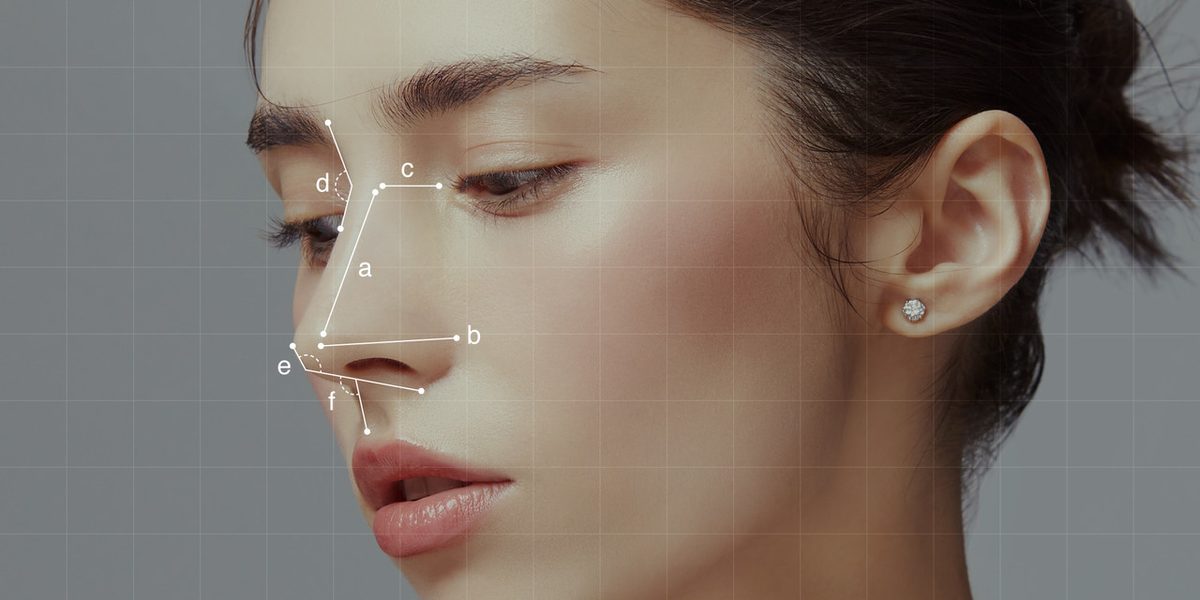
ETONNE's Anthropometrics
ETONNE measures the detailed structures of the nose and their sizes closely,
and when necessary checks even the parts that cannot be seen
with the naked eye through a 3D-CT scan.
It also considers the position and height of the forehead, the position of the chin tip, the glabella and the philtrum,
together with the shape and line the client wants,
to present a surgical result of high completeness.
One Line
a. The line reaching from between the eyebrows to the tip of the nose and its curvature
Two heights
b. The height of the nasal tip c. The height of the glabella
Three angles
d. The angle between the forehead/glabella and the nasal bridge e. The angle between the nasal tip and the columella f. The angle between the columella and the lips
POINT 2.
Optimal Material Selection
to Match Patient Condition and Needs
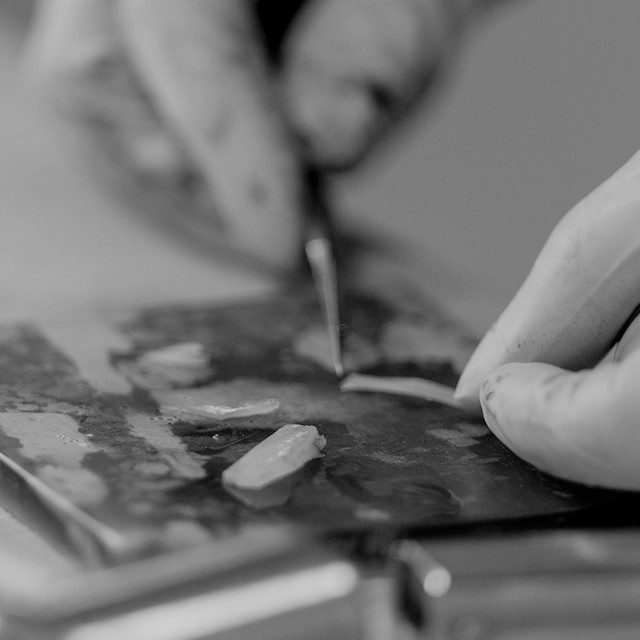
Septal Cartilage
Harvesting from inside the nose makes the process easier compared to other cartilages.
It possesses an appropriate thickness and strength, and its almost curve-free nature facilitates easy shaping.
Used for building up the nasal tip or the bridge.
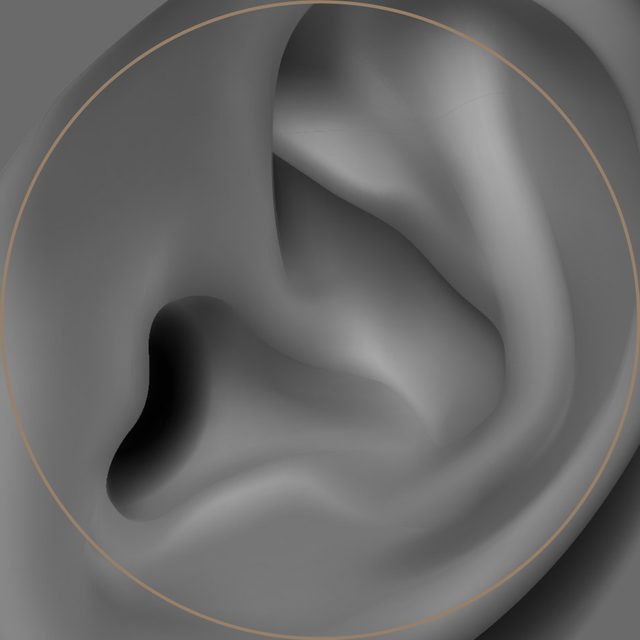
Ear Cartilage
The incision is made behind the ear, so the scar lies behind the ear.
Its shape resembles the nose, being round and elastic, which facilitates the construction of the nasal tip's structure.
Suitable when the amount of septal cartilage is insufficient.
Rib Cartilage
Strong support and durability, and a sufficient amount can be secured.
Used when septal or ear cartilage is insufficient, for significantly low noses, or during revision surgeries.
What matters most is using a material
that suits you and using it safely.
Since the amount of cartilage tissue and skin elasticity differ from person to person,
ETONNE assesses each patient's condition precisely
and selects the optimal material.
"I will not leave the operating room until his or her
nose looks as good as I can make it."
POINT 3.
ETONNE's Roadmap for Beautiful Results
Patient Needs
Nasal Tip Shape, Height
Condition of Nose
Skin Thickness, Nasal Structure, Cartilage Volume
Patient's Situation
Social and Economic Situations
Surgical Material Selection
Design that Meets Patient Needs
Surgical Detail Design
In rhinoplasty, there is no surgical material that perfectly matches
a patient's needs, as if it were the one right answer.
The patient's current nasal condition
and various circumstances have to be considered
when the final material and surgical method are chosen.
Ahead of rhinoplasty, ETONNE
checks and carries out many things so as not to miss
even the smallest detail about the patient's condition.
The foundation must be firm,
and the structure, following the properties of the materials,
must be systematically designed and built —
just as that is how a building that will not collapse is raised,
ETONNE, with rich clinical experience
and surgical know-how that can be applied to a wide range of materials,
strives for rhinoplasty results that, in any environment and condition,
are beautiful, and whose beauty
is maintained for a long time.
ETONNE's top priority is building trust based on patient safety and satisfaction. From sharing transparent processes before surgery to providing professional care afterwards, ETONNE commits to delivering high-quality medical services.
Design Only for You
ETONNE designs unique, lasting beauty using experienced surgeons' skills to tailor surgery methods and materials to each individual.
Safety Ensured During Surgery
The operating rooms are fully equipped with gas and suction systems, and an uninterruptible power supply (UPS) ensures continuous power during unexpected outages, preparing for all possible scenarios during surgery.
Stringent Infection Control
We ensure thorough infection prevention by sterilizing all spaces and instruments before surgery and exclusively using disposable drapes to minimize surgical complications.
Detailed Post-Surgery Care
ETONNE supports recovery with personalized post-surgery programs and provides a specially designed ETONNE Kit to help maintain a healthy lifestyle after returning to daily activities, ensuring patients can lead their healthiest life post-recovery.
Customized Recovery Program for the Healing
Quickly, thoroughly. Exceptionally fast recovery beyond expectations is also a testament to ETONNE's expertise. The physician personally manages with meticulous care according to the patient's constitution and condition. For a swift return to daily life, choose ETONNE
Proactive Prevention
Based on the highest standards of technology, we meticulously plan surgeries to minimize bruising and swelling from the very beginning, ensuring a smoother and quicker recovery process.
Closely monitored treatments
Your recovery is supported through a combination of prescribed medications, specialized laser treatments, and proven effective injections to facilitate overall healing.
Postoperative Care
After surgery, we provide a kit containing pain relievers, antiseptic supplies, ointment, masks, and instructions to enable self-care and facilitate recovery.
Swelling Reduction
We provide a care kit that includes a cold compress pack to assist in rapid swelling relief.
1:1 Consultation
We offer a 1:1 chat service and keep emergency contact information readily available, leaving no room for worry.
With beautiful design and precise structural technique,
built firmly to last a long time
REBUILT NOSE SURGERY
Precautions
Swelling and bruising may occur after surgery, and how long they take to subside varies from person to person. A scar remains at the incision site, and because ear cartilage is harvested through an incision behind the ear and rib cartilage through an incision along the crease beneath the chest, a scar also remains at the harvest site. Regardless of the material, in rare cases bleeding, infection, inflammation, or left–right asymmetry may occur, which may require additional treatment. When a silicone implant is used, the implant may show through or move, and contracture may develop from scar tissue that forms inside the nose; a structure built with autologous cartilage may also turn out different in shape or height from what was planned as it heals, which may require further correction. In the early period after surgery, you may have nasal congestion, a feeling of difficulty breathing, or reduced sensation in the nasal tip, and when rib cartilage is used, the cartilage may warp and change the shape. Please tell us at your pre-surgery consultation about any medications you take, including blood thinners such as anticoagulants, as well as any medical conditions and whether you smoke. During recovery, please avoid alcohol and smoking and attend follow-up visits as scheduled. Please make your decision after you have been fully informed of the risks and of alternative options. Results and recovery vary from person to person.
Who It's For
When the nasal bridge is low or its line does not suit your face
When the nose looks wide and blunt, as with a bulbous tip or a broad nose
When the nasal bridge is crooked or protrudes, as with a deviated nose or a nasal hump
When the length of the nose and the angle of the nasal tip do not suit your face, as with a short nose or a long nose
What nose types does rhinoplasty (nose job) by nose type address?
Rhinoplasty by nose shape and type at ETONNE approaches each nose according to its type, such as a bulbous tip, deviated nose, nasal hump, short nose, long nose, or broad nose. The nasal bridge line is also chosen from options such as the straight semi-curved line, the masculine straight line, the feminine straight line, and the semi-curved line to suit your face shape and the shape you want, and the surgical plan is made after measuring the proportions with the forehead, glabella, chin tip, and philtrum.
Silicone implant or autologous cartilage — which is used?
There is no set material that suits every nose; it is decided according to the condition of your nose and the shape you want. At ETONNE, septal cartilage, ear cartilage, and rib cartilage are used as autologous cartilage, and rib cartilage is used when there is not enough septal or ear cartilage or when the nose is very low. Whether to use autologous cartilage alone or together with an implant is decided after examining the amount of cartilage, skin thickness, and the structure of the nose.
How is it different from nasal tip plasty and alar reduction?
Rhinoplasty by nose type corrects the whole nose, including the nasal bridge and nasal tip, according to the type of nose. Nasal tip plasty shapes the form and height of the nasal tip with autologous cartilage, and alar reduction reduces wide alae. At ETONNE, we examine the proportions of the whole nose and then decide which surgery suits you and whether to combine them.
Will there be scars? Is it open rhinoplasty with a columella incision?
The surgery is usually done as open rhinoplasty, with an incision in the columella, so a scar remains on the columella. If ear cartilage is used, a scar also remains behind the ear, and if rib cartilage is used, along the crease beneath the chest; how the scar settles varies depending on your skin condition.
What are the anesthesia, surgery time, and recovery schedule?
The surgery takes about 90 minutes under local anesthesia or sleep anesthesia, and you go home the same day without hospitalization. The packing inside the nose is removed after 1 day and the splint after 5 days, and stitches are removed in two stages, after 5 days and after 10 days. Makeup is possible from about 5 days after surgery, and about three follow-up visits are needed after surgery. How long swelling and bruising take to subside varies from person to person.