For true beauty that is not just 'pretty' like everyone else.
Beyond the line, to the face.
ETONNE's comprehensive facial shape correction.
ETONNE HOLISTIC FACIAL CONTOURING
Malar-plasty
Also called Cheekbone Reduction, Zygoma Reduction
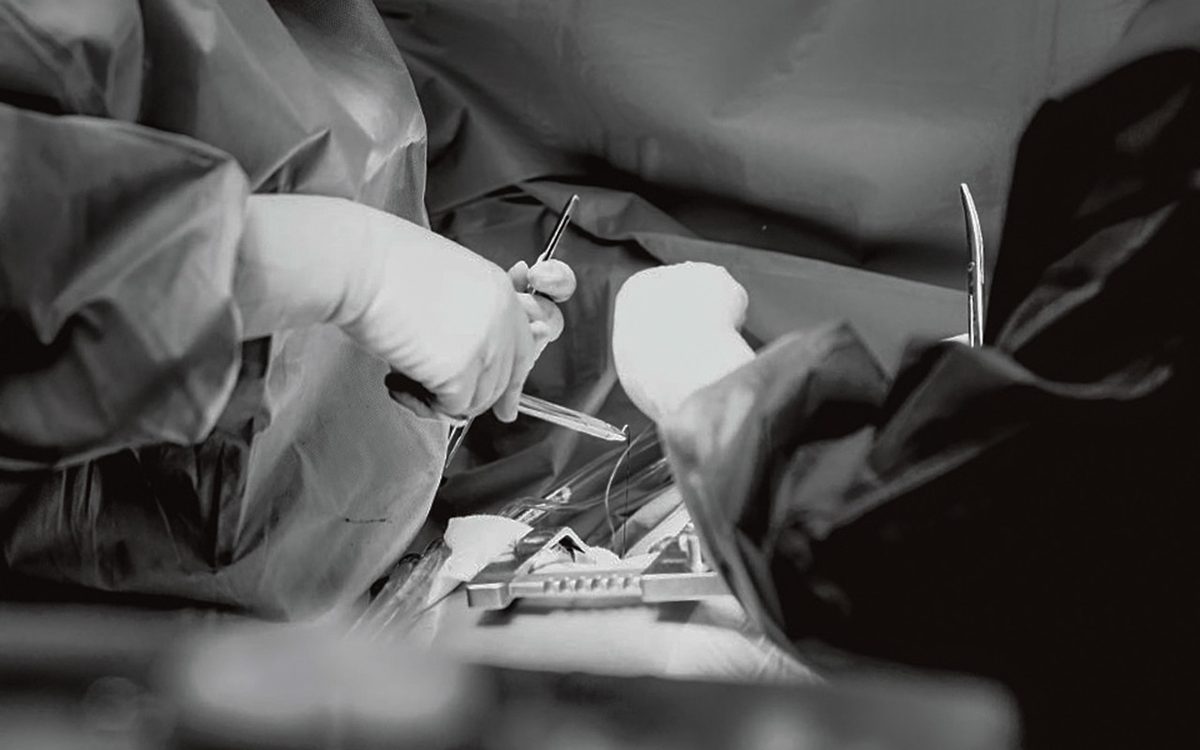
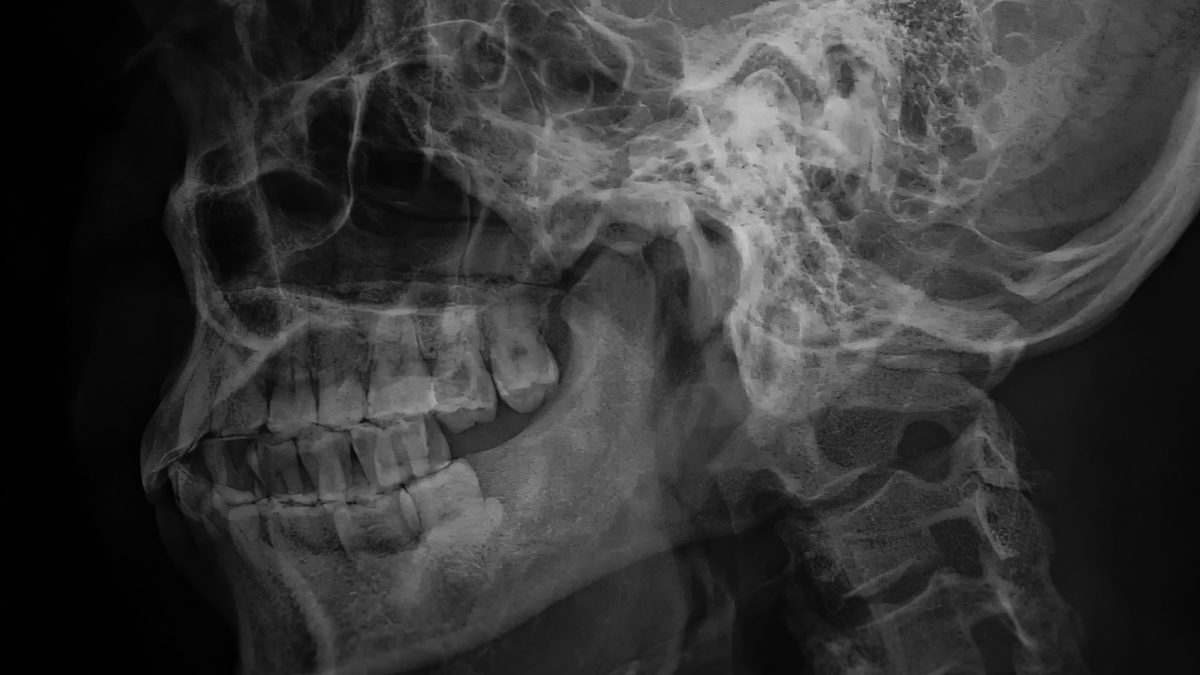
Malar-plasty (cheekbone reduction) is a surgery that reduces the size of cheekbones that protrude widely to the sides and moves them inward to reduce the width of the midface. Part of the cheekbone is resected and then pushed inward and fixed, and the amount of reduction and the position are decided by considering the proportions of the whole face and skin elasticity together. At ETONNE in Gangnam, Seoul (Gangnam-daero, Nonhyeon Station), the surgery is performed by board-certified plastic surgeon Dr. Kim Jaegon.
Softness over volume, naturalness over flashiness.
Facial contouring surgery comes with high expectations and concerns, making the beginning crucial.
Considering even your feelings, ETONNE analyzes properly from the start and cares for you thoroughly.
Plastic surgeons with skilled techniques and a fine touch
perform surgery efficiently to minimize physical stress, After surgery,
they do their best to manage for a healthier life.
Soft cheek bone lines.
Considering the overall harmony and proportion of the face, as well as the elasticity and condition of the skin, we reduce the size of protruding cheekbones
and carefully correct their position. By resecting only as much as needed, we refine the face shape
to be slimmer and softer.
Natural looking cheek bones.
Firmly secured with dual fixation to keep the bone from separating. Even the ligaments are pulled taut for a smooth contour with less sagging.
Beautiful from the front, side, and any angle. With the high-level skills of a plastic surgeon experienced in facial contouring,
we complete a natural facial shape.
Precise surgery, healthy recovery.
Surgery time
About 60 min
Anesthesia
General anesthesia
Admission
None, discharge on the day of surgery
After care
About 2-3 times
Stitch removal
About 7 days later (no removal inside the mouth — dissolvable sutures)
Recovery time
Taping removed after about 7 days, daily activities possible
POINT 1.
Accurate diagnosis and definitive solution.
We do not plan excessive bone surgery for a smaller, beautiful face shape,
as the causes can vary greatly.
ETONNE, which plans multiple surgeries together,
offers the most suitable combined surgery solution for each individual.
CAUSE
Bone
Elasticity & Sagging
Soft Tissue
SOLUTION
Bone Contouring Surgery for Cheek, Mandible and Chin
Lifting Surgery, thread lifting, laser, HIFU etc. depending on the degree.
Deficient Volume replacement with Autologous fat graft or Filler injection Excessive Soft Tissue Contouring with Liposuction or Botox
What is Soft Tissue?
Tissue other than bone or cartilage, such as fat, muscle and connective tissue.
CAUSE
SOLUTION
Bone
Bone Contouring Surgery for Cheek, Mandible and Chin
Elasticity & Sagging
Lifting Surgery, thread lifting, laser, HIFU etc. depending on the degree.
Soft Tissue
Deficient Volume replacement with Autologous fat graft or Filler injection Excessive Soft Tissue Contouring with Liposuction or Botox
What is Soft Tissue?
Tissue other than bone or cartilage, such as fat, muscle and connective tissue.
Facial Bone
A slender and smooth front combined with natural edges on the sides.
By moving the highlights to the most appropriate point, it creates a beautiful apple zone from any angle.
1. Frontal view
A. Chin surgery considering the balance of the face and the angle of the jaw. B. Osteotomy with the nerve position confirmed.
2. Side view
C. Tailored Surgery depending on the shape and size of the cheek bone. D. A side profile with appropriately highlighted jawline angles.
Elasticity and Soft Tissue
Lifting sagging skin and adjusting excess soft tissue to create an elastic line.
Adding volume to flat areas for a balanced and three-dimensional appearance.
1. Frontal view
A. Lack of volume: Autologous fat graft / Filler injection B. Lifting Surgery for Lower face sagging C. Soft tissue removal or reduction
2. Side view
D. Liposuction in case of excessive fat. E. Lifting Surgery of jowl lines. F. Lifting Surgery of Neck G. Liposculpting for Jaw and Neck Lines.
POINT 2.
Safe Materials and Surgical Methods
Reliable Fixation using OSTEOMED screws and plates.
✓ FDA-approved screws with strong bone fixation power.
✓ Inside the mouth, closed with fine dissolvable sutures.
ETONNE puts patient safety and benefit before cost
when choosing materials.
Multi Layer Stitch
✓ Securing the wound with strong sutures and multiple internal multiple stitching.
✓ The skin incision is closed with thin sutures to
reduce scarring and discomfort.
For a quick recovery and ease in daily life after surgery,
we adopt surgical methods backed by confirmed evidence.
Evidence based Medicine
✓ Surgical methods backed by confirmed clinical evidence.
✓ Surgical methods whose evidence is confirmed by data.
We use the most proven surgical methods focused on life that continues
even after the surgery.
POINT 3.
Evidence based Medicine
"If it's not proven, it's not medicine.
If I wouldn't do it to my family, I won't do it to my patients either."
ETONNE's core medical philosophy is to insist on medicine
whose safety and efficacy have been proven through numerous experiments and clinical trials.
Step 1
Laboratory
Idea Chemistry Test
Step 2
Clinical Trials
Clinical practice ① → Clinical practice ② → Clinical practice ③
Step 3
Evidence
Standardization
Check the remaining bones
after surgery.
When unnecessary bones are removed, there is no place
for soft tissues to settle, leading to sagging or deformation,
ultimately resulting in an unattractive facial line.
Removing only the bone that is truly necessary, without unnecessary resection, and leaving it well shaped
helps reduce side effects and create a natural facial line.
At ETONNE, our top priority is building trust based on patient safety and satisfaction. From transparent process sharing before surgery to professional care afterward, we are committed to providing high-quality medical services.
Precise Examinations
To minimize potential errors and the physical strain on the patient during surgery, we conduct precise examinations and diagnoses before the surgery.
Ensuring Safety During Surgery
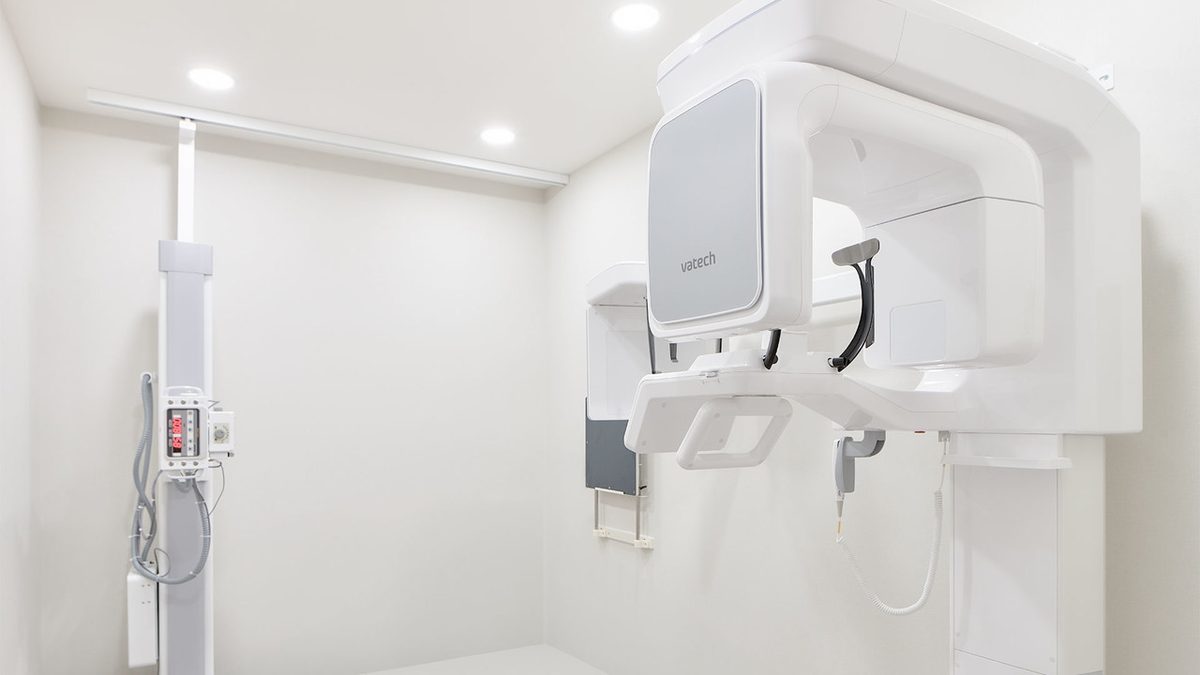
We are equipped with a sterile operating environment, an HVAC system using HEPA filters, and an Uninterruptible Power Supply (UPS) to provide power even in the event of a sudden blackout, preparing for all possible scenarios during surgery.
Delicate Post-Surgery Care
After surgery, we assist recovery with a personalized healing program and provide a specially designed ETONNE Kit to ensure you can lead a healthy life on your own after returning to your daily routine.
In-House Anesthesiologist
Board-certified Anesthesiologist continuously monitors the patient's vital signs during surgery and remains on-site after the procedure to manage the patient's recovery process.
Customized Recovery Program for the Healing
Quickly, thoroughly. Exceptionally fast recovery beyond expectations is also a testament to ETONNE's expertise. The physician personally manages with meticulous care according to the patient's constitution and condition. For a swift return to daily life, choose ETONNE
Proactive Prevention
Based on the highest standards of technology, we meticulously plan surgeries to minimize bruising and swelling from the very beginning, ensuring a smoother and quicker recovery process.
Closely monitored treatments
Your recovery is supported through a combination of prescribed medications, specialized laser treatments, and proven effective injections to facilitate overall healing.
Postoperative Care
After surgery, we provide a kit containing pain relievers, antiseptic supplies, ointment, masks, and instructions to enable self-care and facilitate recovery.
Swelling Reduction
We provide a care kit that includes a cold compress pack to assist in rapid swelling relief.
1:1 Consultation
We offer a 1:1 chat service and keep emergency contact information readily available, leaving no room for worry.
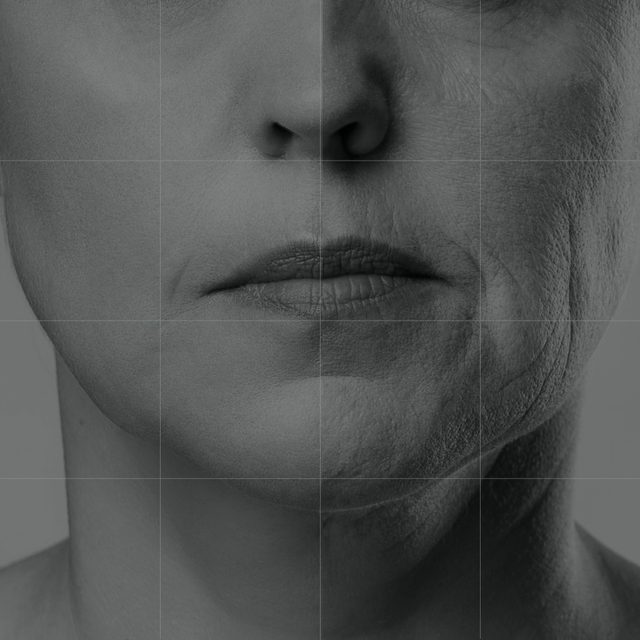
"Beautiful young people are accidents of nature,
but beautiful old people are works of art"
ETONNE
FACIAL CONTOURING SPECIALIST
ETONNE's Dedicated Face Surgeons
Doctor. Kim Harkyoung
“ Surgery is done for happiness, you know. Your face is part of your body too.
It's not just about looking pretty right now;
it has to be safe and usable for a long time.
It should still be aesthetically pleasing and functional 20, 30 years down the line. ”
Doctor. Kim Jaegon
“ The textbooks tell you how to cut the bone.
What's needed is that plus alpha. You've got to safely reduce the bone
and accurately identify any other causes. That's why in contouring surgery,
it's not just about the bone; you have to skillfully handle the soft tissue too. After all, the face isn't just made of bone. ”
Precautions
Swelling and bruising may occur after surgery, and how long they take to subside varies from person to person. A scar remains at the incision site, and in rare cases bleeding, infection, inflammation, or left–right asymmetry may occur, which may require additional treatment. Because this surgery resects and moves the cheekbone, opening your mouth or chewing may be uncomfortable in the early period after surgery, the sensation around the cheeks and upper lip may become dull, and in rare cases, a nerve may be injured and reduced sensation may last a long time. Cheek sagging may occur if a large amount is reduced, if skin elasticity is lacking, or if there was sagging beforehand, and in rare cases, the moved cheekbone may not join in place or may join out of position, which may require surgery to fix it again. Please tell us at your pre-surgery consultation about any medications you take, including blood thinners such as anticoagulants, as well as any medical conditions and whether you smoke. During recovery, please avoid alcohol and smoking and attend follow-up visits as scheduled. Please make your decision after you have been fully informed of the risks and of alternative options. Results and recovery vary from person to person.
Who It's For
When the side cheekbones protrude widely, making the face look wide and large
When prominent cheekbones make your impression look strong or angular
When the left and right cheekbones differ in size or position, making asymmetry noticeable
When the cheekbone becomes smaller, the flesh that was over it shifts inward and downward to some extent. The reduced cheekbone is fixed so that it does not move down again, but cheek sagging may occur if a large amount is reduced, if skin elasticity is lacking, or if there was sagging beforehand. If sagging is a concern, whether to do a lift at the time of surgery or after watching your progress is decided at the consultation.
How is the reduced cheekbone fixed?
After the resected cheekbone is pushed inward, it is fixed with screws and plates so that it does not separate. In rare cases, the bone may not join in place or may join out of position, which may require surgery to fix it again, so please visit as scheduled so we can check your progress.
Can facial sensation change after surgery?
Because sensory nerves run around the cheekbone, the area around the cheeks and upper lip may feel numb after surgery, and in rare cases, a nerve may be injured and reduced sensation may last a long time. In the early period after surgery, opening your mouth or chewing may be uncomfortable. How much sensation changes and for how long varies from person to person.
Where will the scars be?
Scars remain where the incisions are made. For cheekbone reduction, incisions are made inside the mouth and in front of the sideburns; the stitches at the incision in front of the sideburns are removed after about 7 days, and the inside of the mouth is closed with dissolvable sutures that are not removed. How the scars settle varies from person to person.
What are the anesthesia, surgery time, and recovery schedule?
The surgery takes about 60 minutes under general anesthesia, and you go home the same day without hospitalization. The stitches in front of the sideburns are removed after about 7 days, while dissolvable sutures are used inside the mouth and are not removed, and taping is removed after about 7 days, after which daily activities are possible. About 2–3 follow-up visits are needed after surgery. How long swelling and bruising take to subside varies from person to person.